Capacity Building
Building local
energy teams.
JAZZ shares its professional knowledge, skills, and resources directly with First Nation communities. We train people, build energy teams, secure the funding, and stay involved for years — not months.
Why this comes first
The infrastructure is only half the work.
Building a solar array or a microgrid is engineering. Keeping it running for 25 years — owned, understood, and maintained by the community it powers — is partnership.
JAZZ was founded in 2010 to be a catalyst, not a contractor. Every project we take on is structured so the community's own energy capability grows alongside the infrastructure: people trained, teams formed, funding secured, decisions kept where they belong.
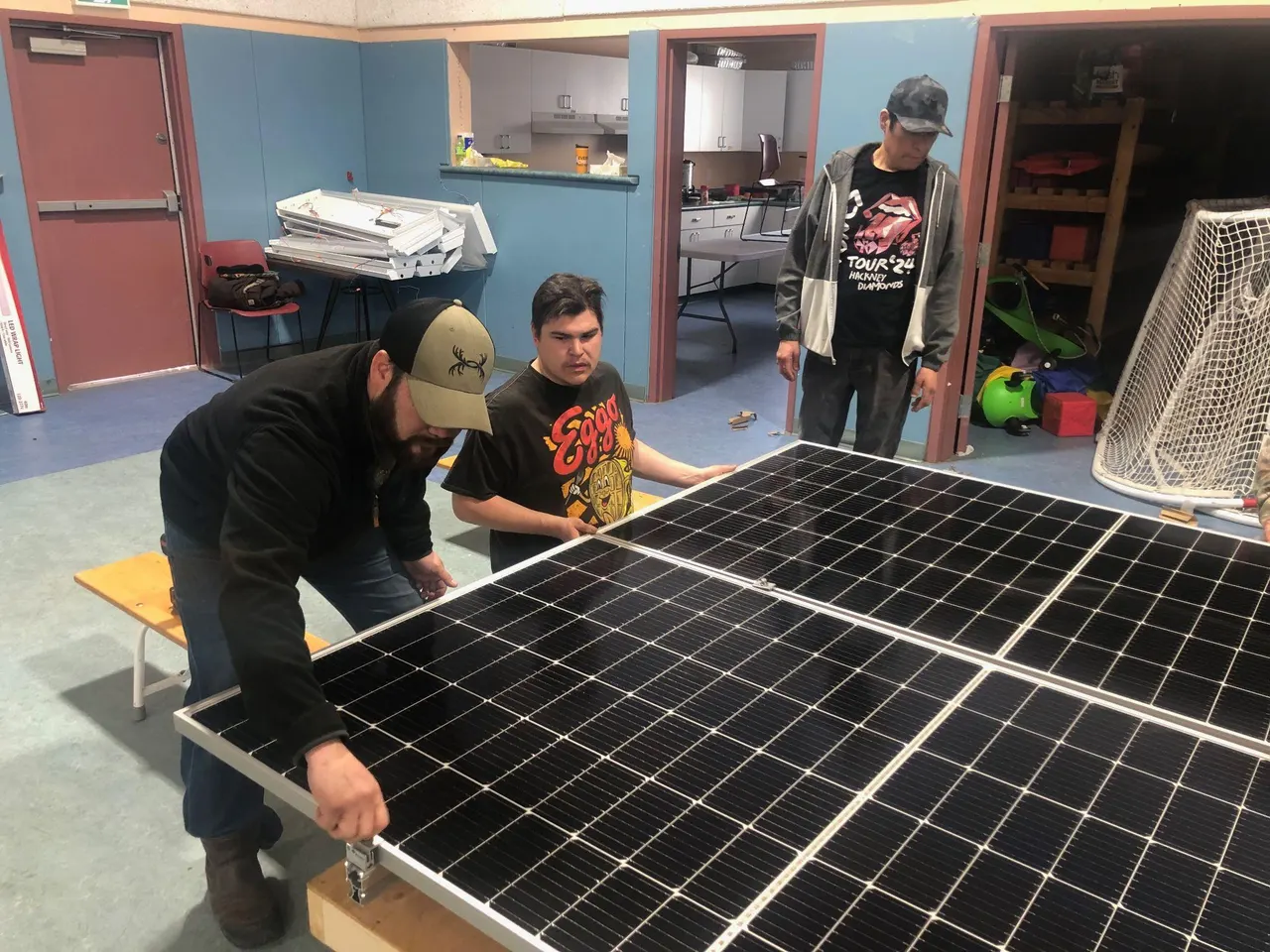
Training & local employment
Hands-on solar training — community energy team in the field
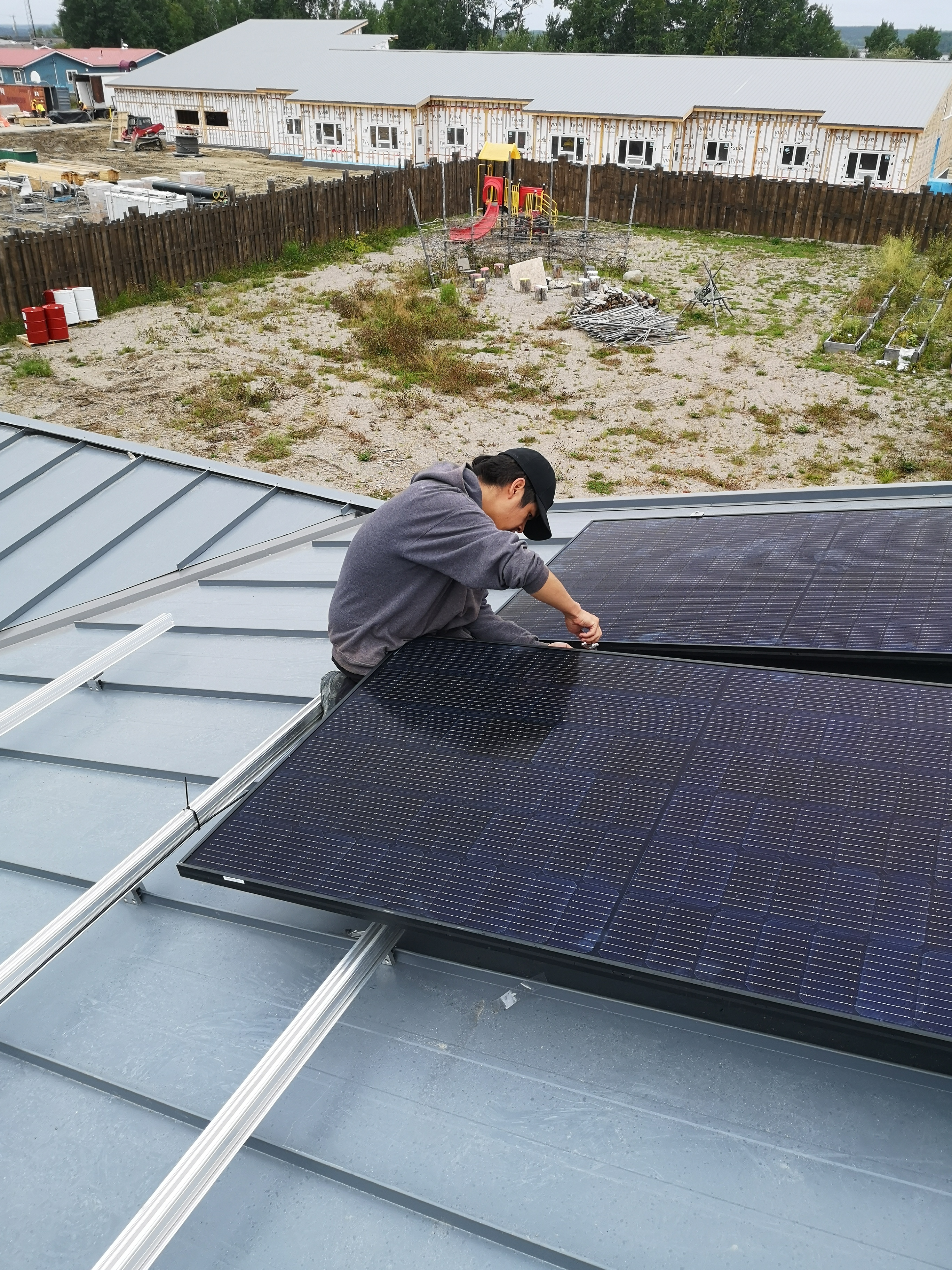
Local labour — Pikangikum First Nation Safe House Solar, 2023
.jpg)
Installation training — Pikangikum First Nation, 2023
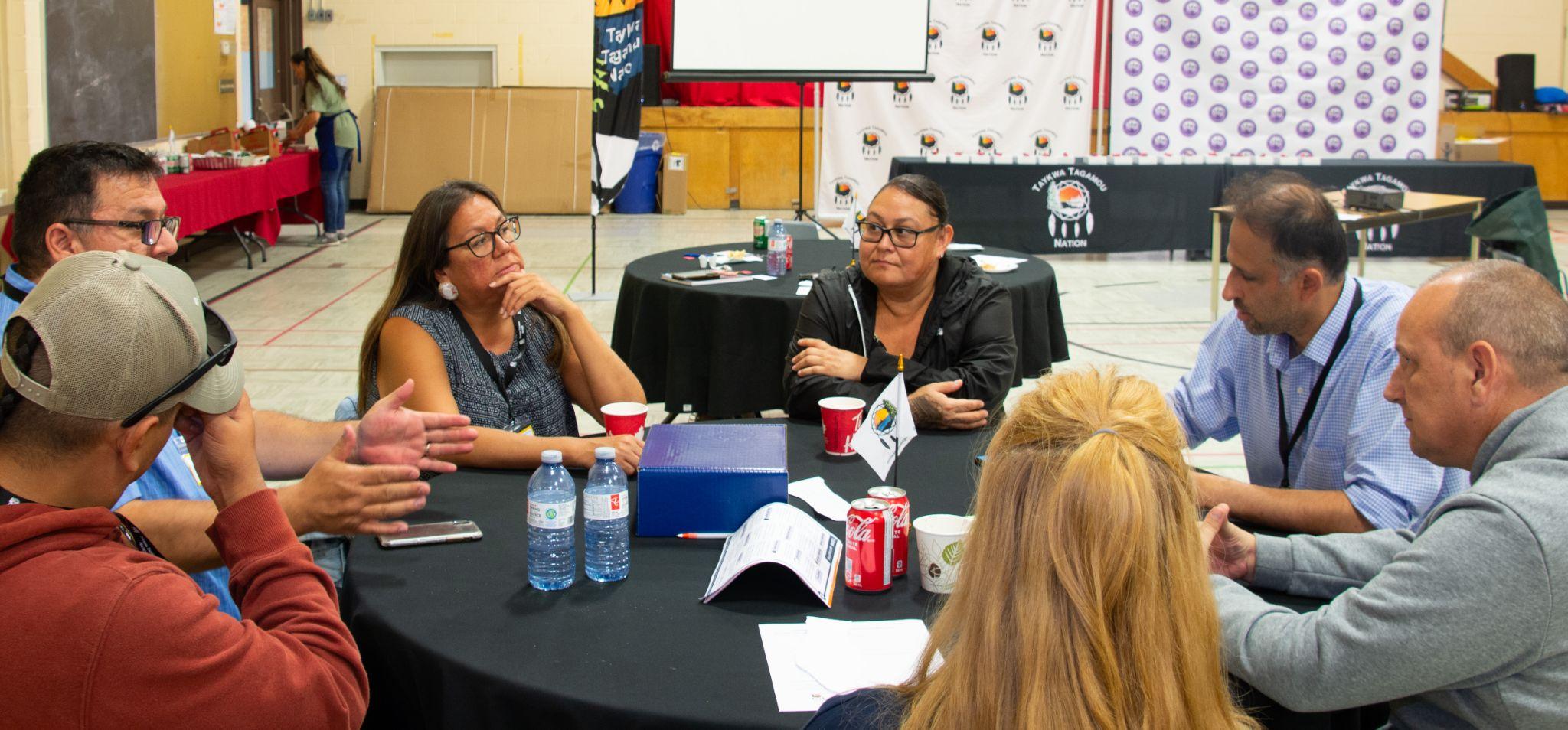
Energy team workshop at Taykwa Tagamou Nation
In the room and in the field
Community events & engagement.
Capacity building happens at project sites, in council chambers, at training events, and at industry conferences alongside the nations we represent.
%202023.jpg)
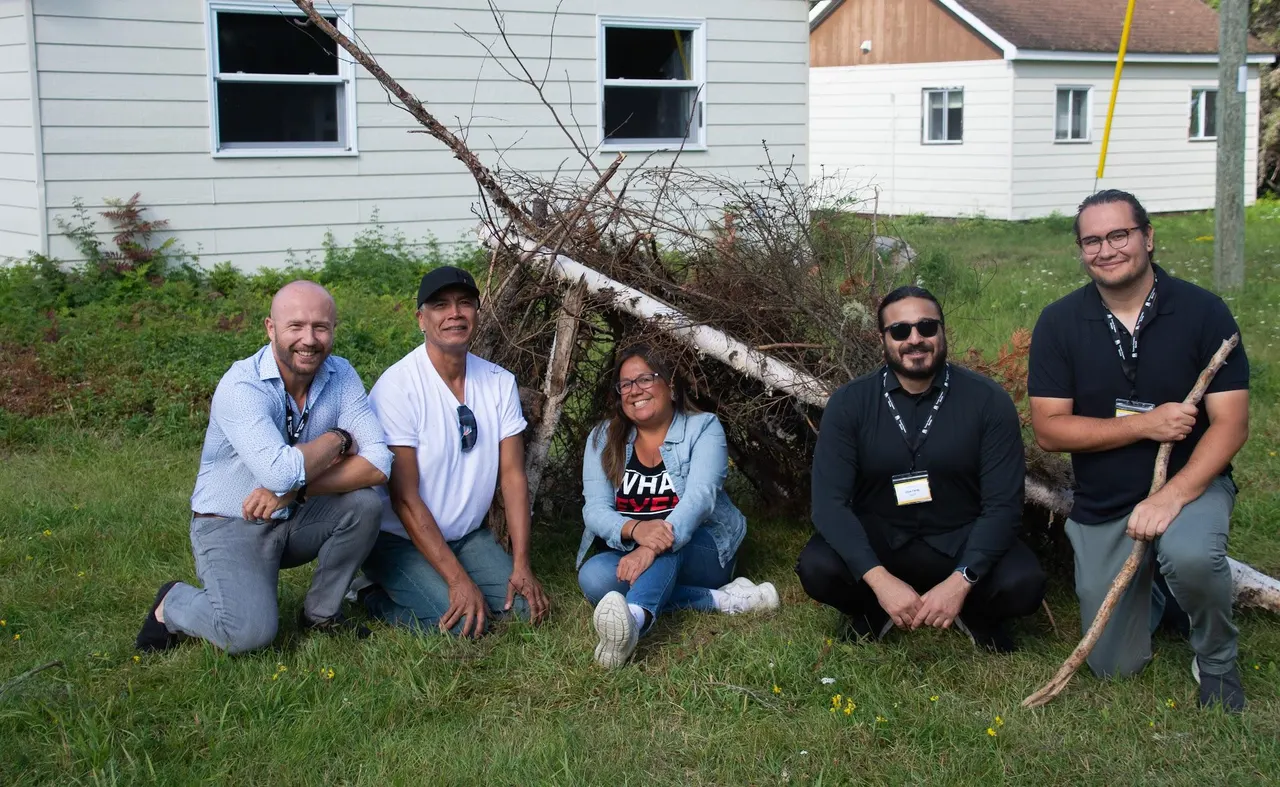
Mattagami First Nation — JAZZ + Energy Team, 2023
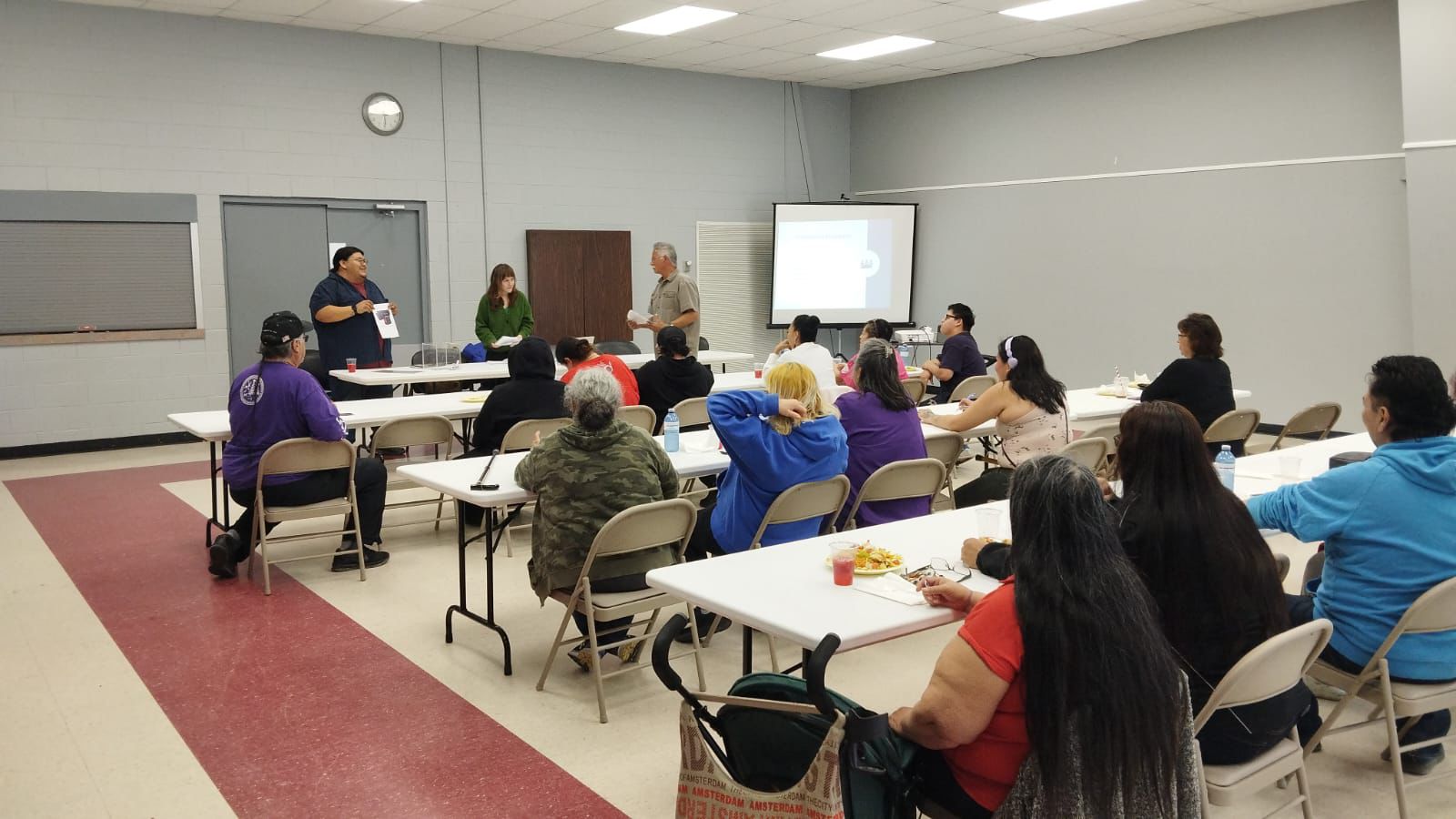
Oneida Nation of the Thames — community training event, 2025
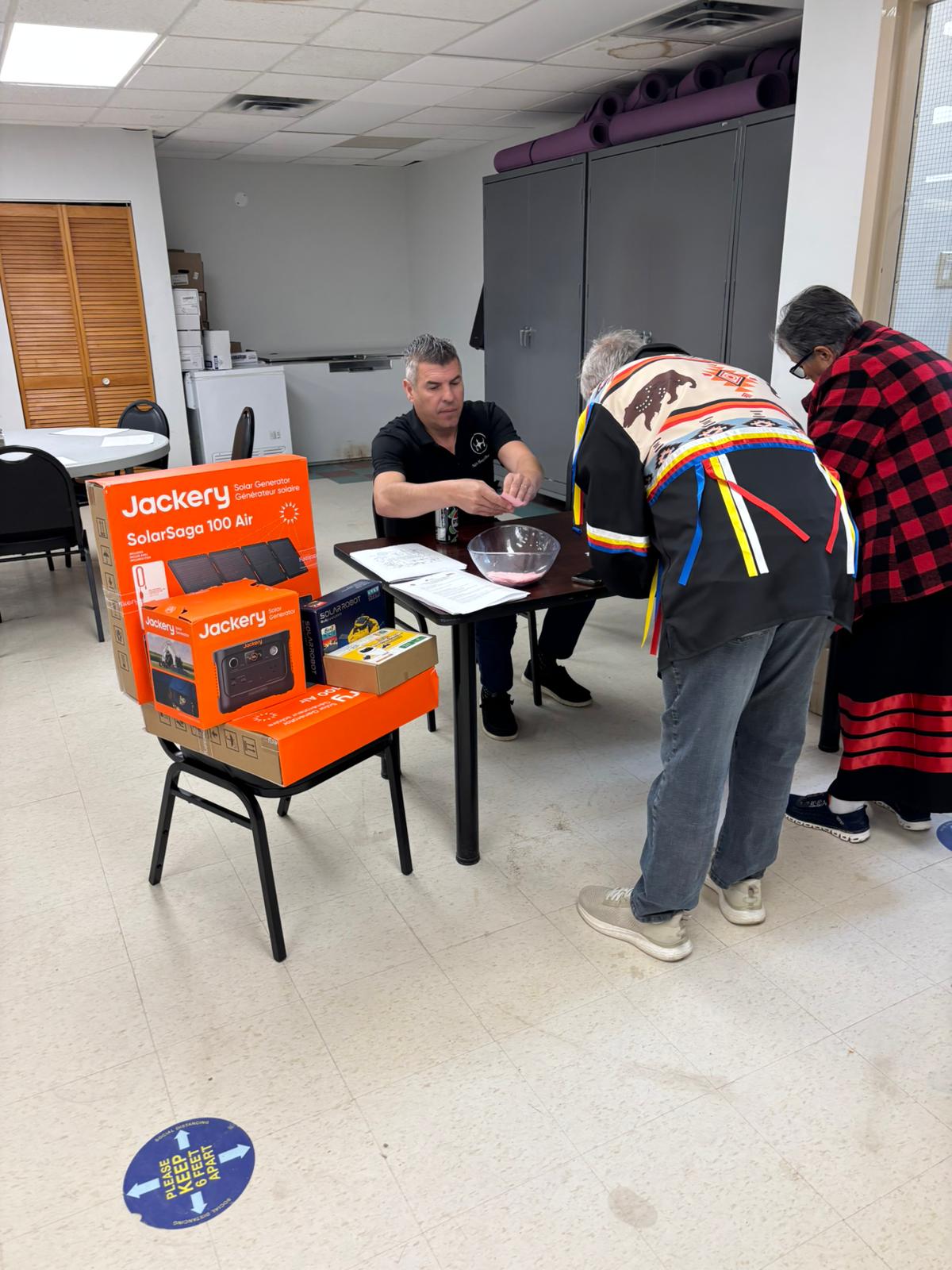
Chippewas of the Thames — community energy event, 2025
Chapleau Cree — community engagement, 2026
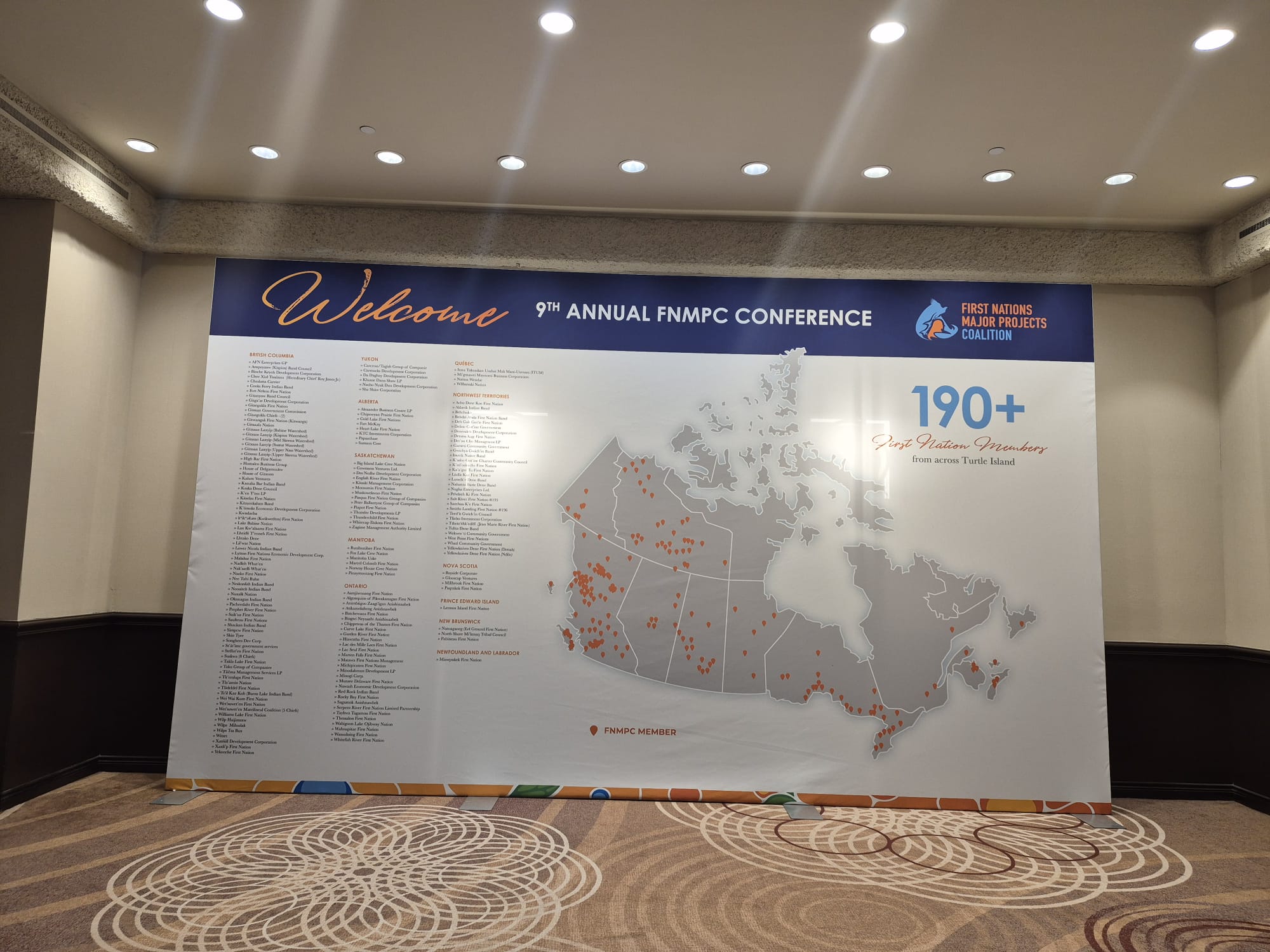
First Nations Major Projects Coalition — JAZZ + Taykwa Tagamou Nation, 2025
.jpg)
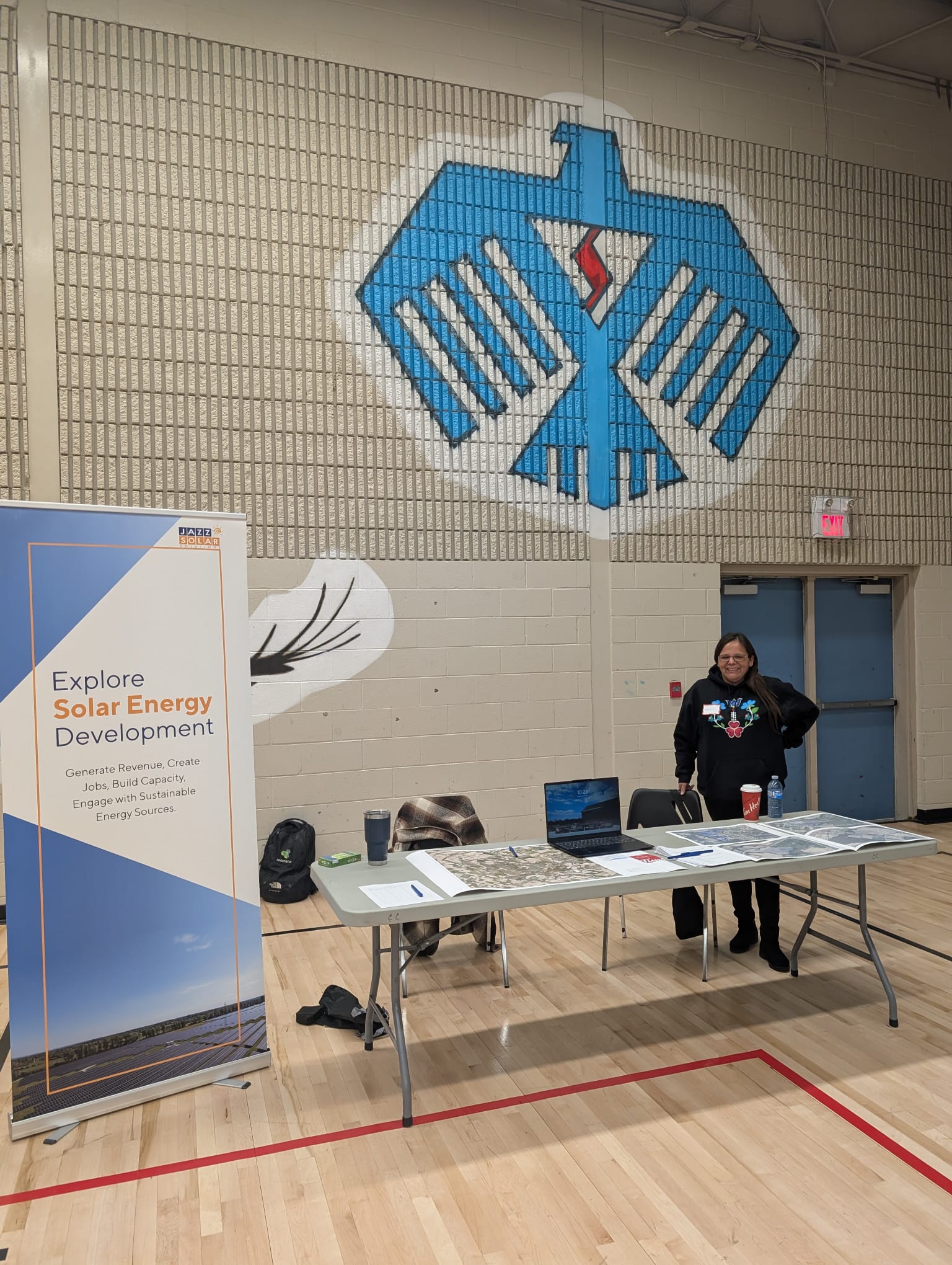
IEX — Nancy at the JAZZ + TTN booth, 2025
.jpg)
IEX — Snekalatha at the JAZZ + TTN booth, 2025
How it works
A process grounded in best practice.
JAZZ's capacity-building practice draws on established frameworks for community development — adapted to the realities of energy projects on First Nation lands, with Indigenous-led self-determination at the centre.
01
Start with relationship
Trust precedes planning. Before a single line is drawn, we spend time with the people — listening to history, governance, what's been tried, and what hasn't worked. Capacity building that skips this step doesn't last.
02
Community-led assessment
The community names the priorities, the skills gaps, the timeline — not consultants. Our role is to ask sharp questions, share what we've seen elsewhere, and help your team see what's possible. Decisions stay with council.
03
Secure the resources
Capacity-building work fails when it drains general funds. We help write proposals for ISC, NRCan, IESO, OFNTSC, SREPs, and other federal and provincial sources — so capital, training dollars, and wages come from outside the band budget.
04
Co-design the path forward
Western technical expertise meets local knowledge and decision-making. We design solutions with your people, not in isolation. Engineering plans, operations protocols, and training curricula are co-authored — so they reflect what your community actually needs.
05
Learn through real work
Skills transfer happens during projects, not just classrooms. Community members work alongside our engineers, electricians, and field crews — installing, commissioning, and operating real systems. The Earthkeepers curriculum and on-site workshops fill the gaps.
06
Step back as capacity grows
As your team's skills and confidence mature, JAZZ moves from leading to supporting to on-call. The goal is your team running things — not us running them indefinitely. We hand off the controls deliberately, project by project.
07
Sustain the partnership
Most of our community partnerships run a decade or more. We're around for troubleshooting, expansion, the next funding window, the next generation of the team. Capacity isn't built in one project — it's built in years of staying in the work.
Learning Platform
Earthkeepers — the curriculum behind the work.
Earthkeepers is JAZZ's online learning platform built for First Nation energy teams. Modules complement real project experience — covering the theory, policy, and technical knowledge that on-site training can't always fit in.
Explore Earthkeepers
Platform
earthkeepers.jazzsolar.com
Access
Free for community partners
Format
Self-paced online modules
Get in touch
Let's talk about your community.
Capacity building inquiries go straight to Nancy, our relationship manager. She'll listen, ask questions, and connect you with the right people on the JAZZ team.
For solar / battery quotes, see our design wizard or email anoop@jazzsolar.com directly.